Dallas Pools Contractor A successful pool project should improve both the way a backyard looks and the way it works. In Highland Park, projects may involve estate properties, formal landscapes, and carefully planned outdoor entertaining areas. Contractors within the Dallas Pools Contractor network coordinate custom construction, remodeling, and ongoing care with attention to layout, structural needs, equipment access, and the finished relationship between the pool and surrounding landscape. The goal is an outdoor space that feels intentional rather than added as an afterthought.
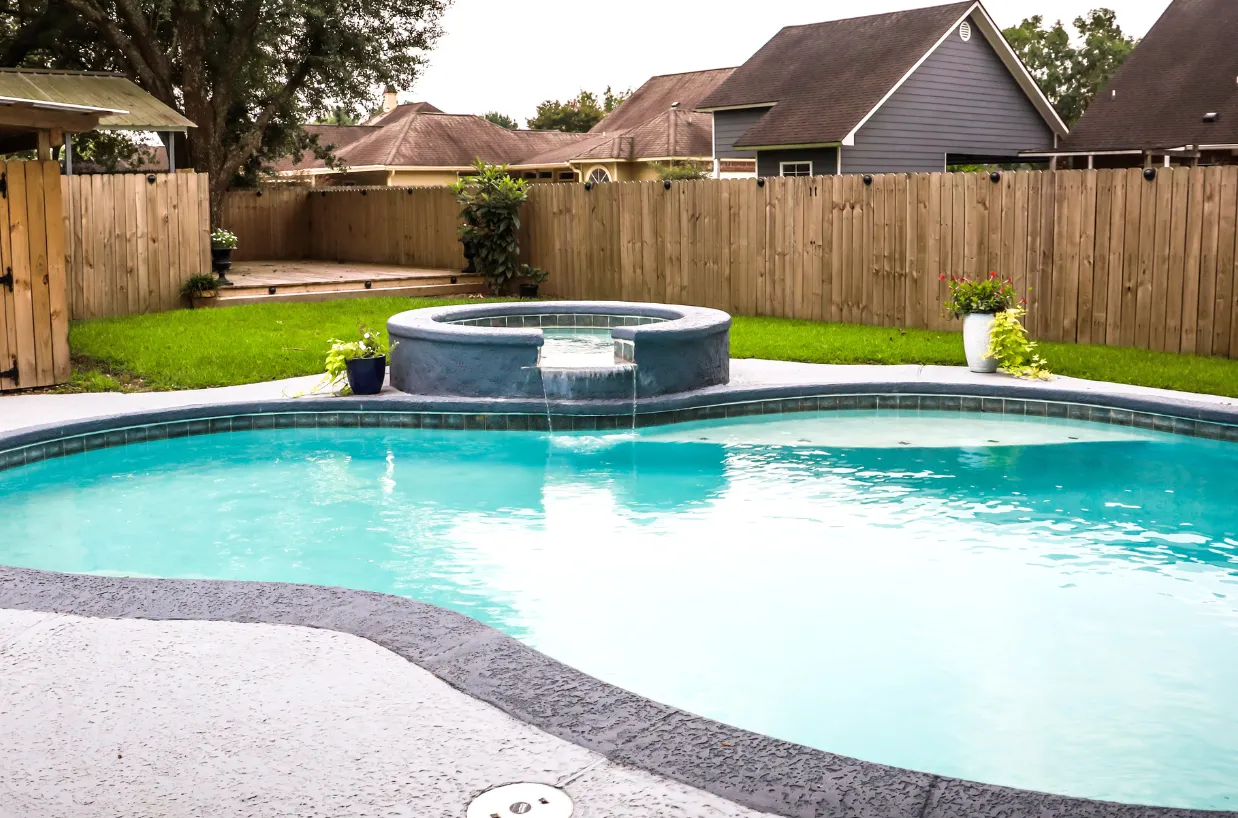
Dallas Pools Contractor The work can extend beyond the waterline to include coping, decking, lighting, spas, water features, and equipment upgrades. Keeping these elements coordinated creates a cleaner finished appearance and makes maintenance, movement, and entertaining more comfortable after the project is complete. For Highland Park properties, the plan is also adjusted for local lot conditions and the long North Texas swimming season. That means selecting details that are attractive on day one while remaining manageable through regular use, summer heat, storms, and seasonal maintenance.
Site access, utility locations, drainage, soil conditions, setbacks, sun exposure, and the amount of deck space all influence the design. A site review helps organize those details before engineering and permit work move forward.
The shape should respond to the home architecture, yard dimensions, circulation paths, and intended activities. Some sites benefit from a clean geometric plan, while others work better with softer lines or a compact layout.
In many cases, yes. Resurfacing, new tile and coping, updated lighting, deck changes, equipment improvements, and added water features can substantially change both appearance and performance.
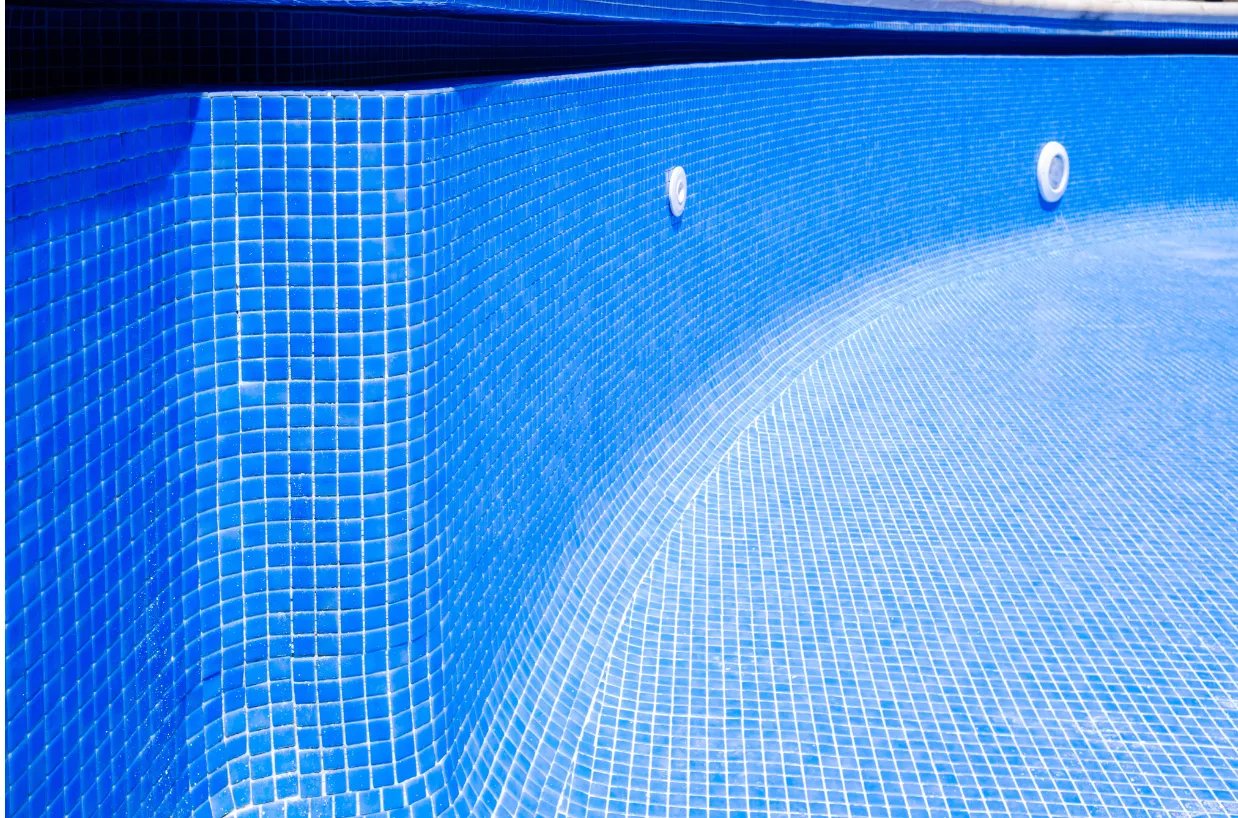
Durable plaster systems, aggregate finishes, quality tile, and properly installed coping are common options. The best choice depends on the desired appearance, budget, water-care routine, and condition of the underlying structure.
Most structural pool projects require municipal review and inspections. Requirements vary by jurisdiction, so the project scope should be checked against the rules that apply to the specific property.
Efficient circulation, accessible equipment placement, suitable filtration, automated controls, and a sensible deck layout can reduce routine effort. Consistent chemistry and scheduled equipment checks remain important.
Yes. Spas, raised walls, scuppers, fountains, tanning ledges, and other details can be integrated when they support the overall layout and hydraulic plan.
Timing depends on design complexity, permitting, engineering, site conditions, material availability, inspections, and weather. A project schedule should be established after the property and final scope have been reviewed.
The budget may need to cover surface preparation, finish materials, tile, coping, decking, plumbing or equipment repairs, lighting, permits, and any hidden conditions discovered after work begins.
Start with a consultation focused on the property, priorities, preferred style, and realistic investment range. That conversation provides the foundation for site review, concept development, and a clearer project scope.